
A professor has to say yes first
- Canadathesis-based programmes
- Australia
- Germanyindividual doctorate
- France
- UKself-proposed projects
- Research master'salmost everywhere
There is usually no application until a professor agrees to supervise you.
Weeks of department pages, down to minutes: a short list of professors still publishing in your field, with the paper to mention when you write.
✓ Every name links to the papers it came from

A real result
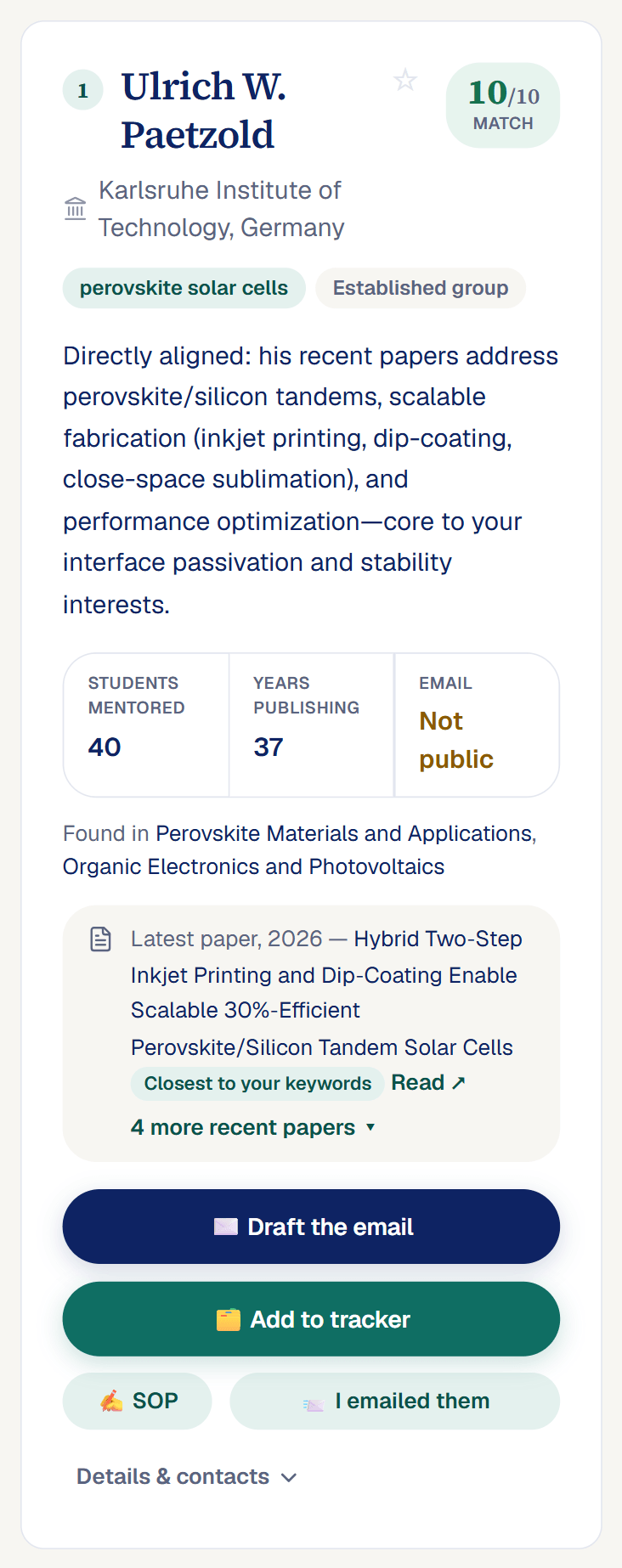
One card from a real search, exactly as it appears in the app. The numbers point at the parts worth reading.
A score out of 10 for how close this professor's recent work is to your topic, compared with the others on your list. It's our judgement, not a verdict.
One sentence, drawn from their papers, on why this professor fits. The papers further down the card let you check it.
If their address isn't published anywhere, we don't guess it. The card says Not public, and Details & contacts shows where they usually publish it.
Up to 5 of their latest papers, each with a link. The one closest to your keywords is marked Closest to your keywords.
Add to tracker puts this professor on your board, so you remember when you wrote and whether they replied.
A simple test: once you've read the papers and the reason, can you say why you'd write to this professor? If not, move on to the next name.
The problem
Most applicants hit the same four walls. Here's what changes with each one.

Department pages, staff profiles, Google Scholar, one by one. A week later you have a spreadsheet of names and still can't tell who works on what you do. We start from published papers, not staff lists. Everyone on your list has published in the last two years, on work close to yours, and their papers sit right under their name.
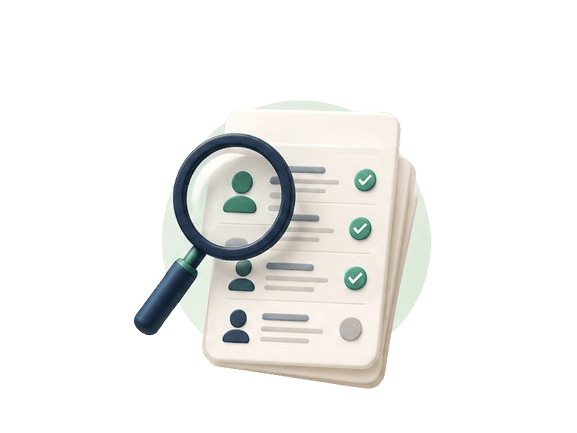
Search by hand and you end up where everyone else does: the best-known names, with the fullest inboxes. Your list mixes a few of them with active professors earlier in their careers, the ones that are easy to miss. Search again and you get new names, not the same list.
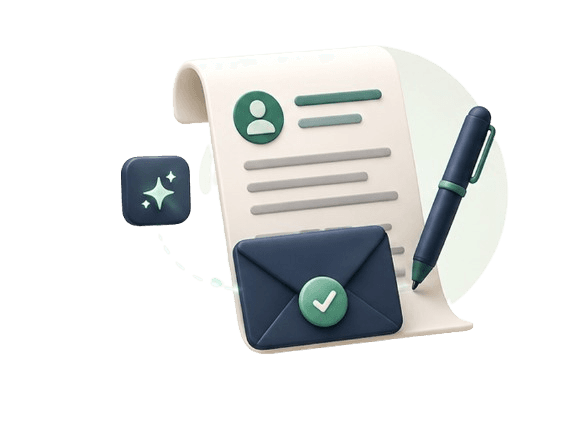
A copied email shows in its first line. Pick one of the professor's recent papers, and the email and statement of purpose are drafted from your CV and that paper. You start from something specific, then make it yours before you send.

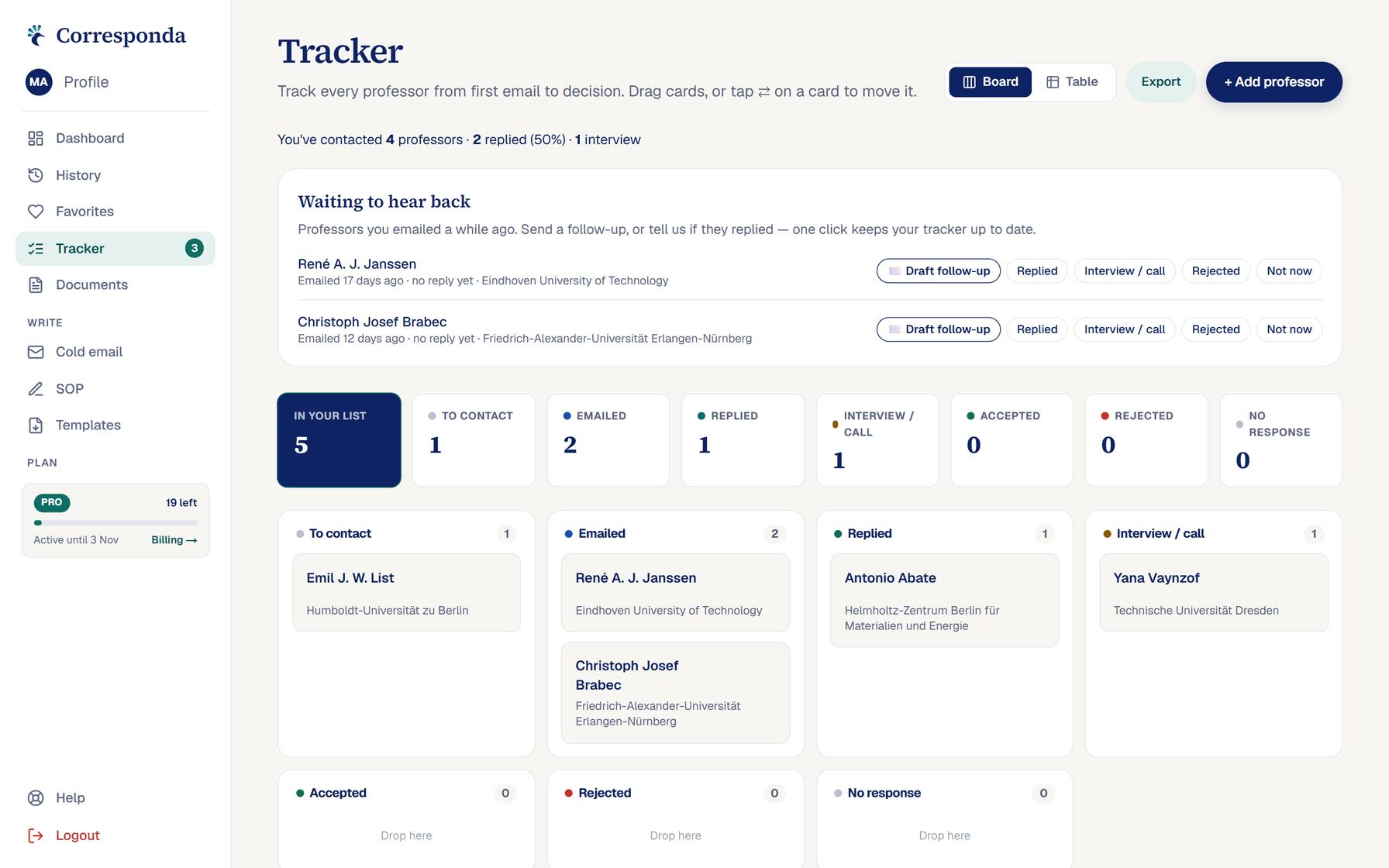
Who replied, who needs a follow-up, which paper you mentioned to whom. A spreadsheet only works if you update it every day. Add anyone from your results to the tracker in one click, move them from emailed to replied to interview, and get a reminder when someone hasn't answered in a week.
The hard way
✓ With Corresponda
Describe your research. Your field, keywords, countries and degree level. About two minutes.
Get a short list you can check. Professors still publishing close to your work, with the reason and the papers under every name. About a minute.
Write, then keep track. Draft the email from the paper you choose, add the professor to your tracker, and get a reminder when someone goes quiet.
Why the professor first
Many applicants fill in the form and wait. But in most of the places applicants from Iran aim for today, a professor decides, or shapes the decision. The rules vary by department, so always check your programme's own page.
There is usually no application until a professor agrees to supervise you.
If you wrote first, the person deciding has already seen your name when the advert goes up.
Writing to a professor still helps you choose well and show real interest, but the committee decides.
No credit card. A short list for your field, with the papers behind every name, in about a minute.
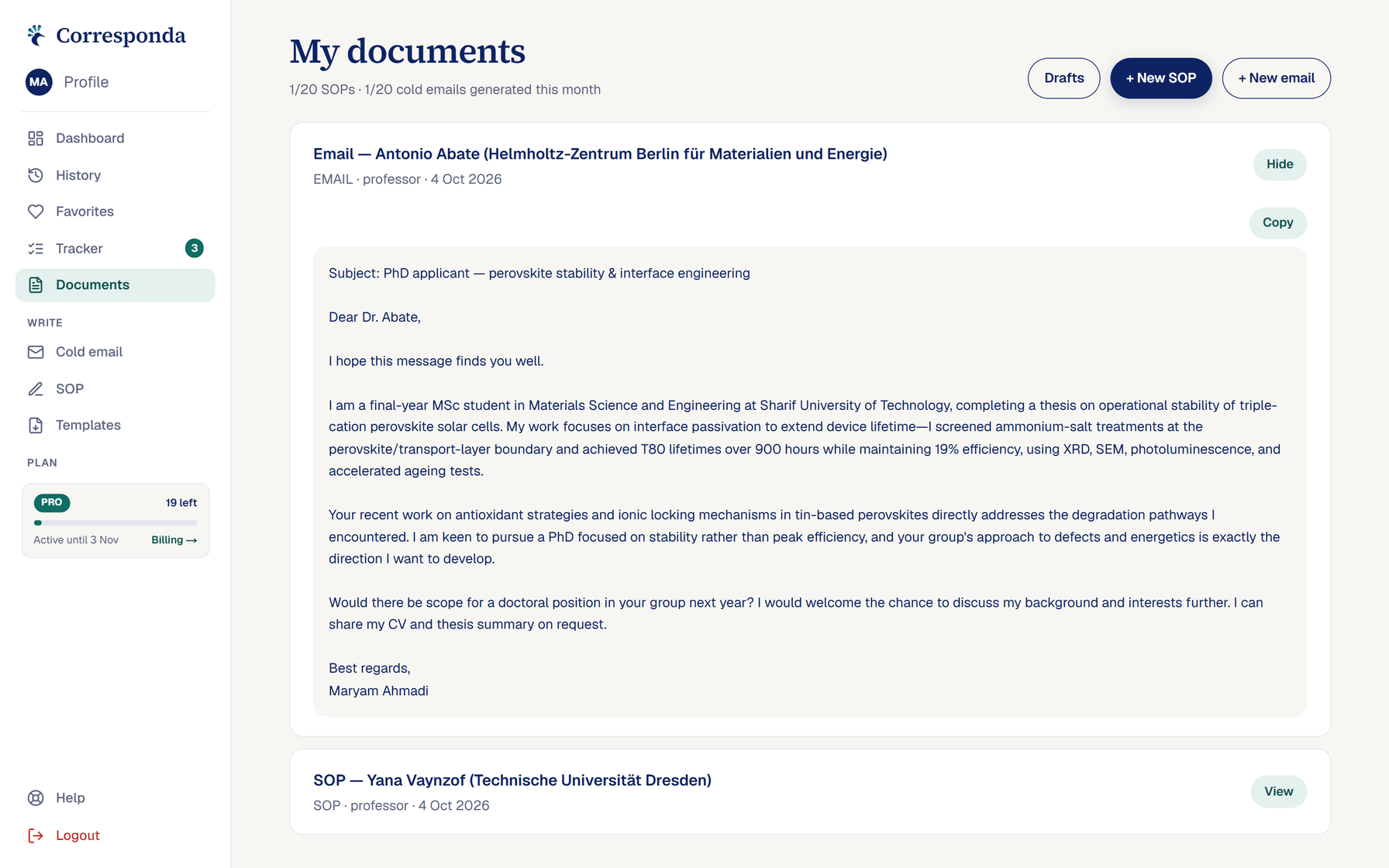
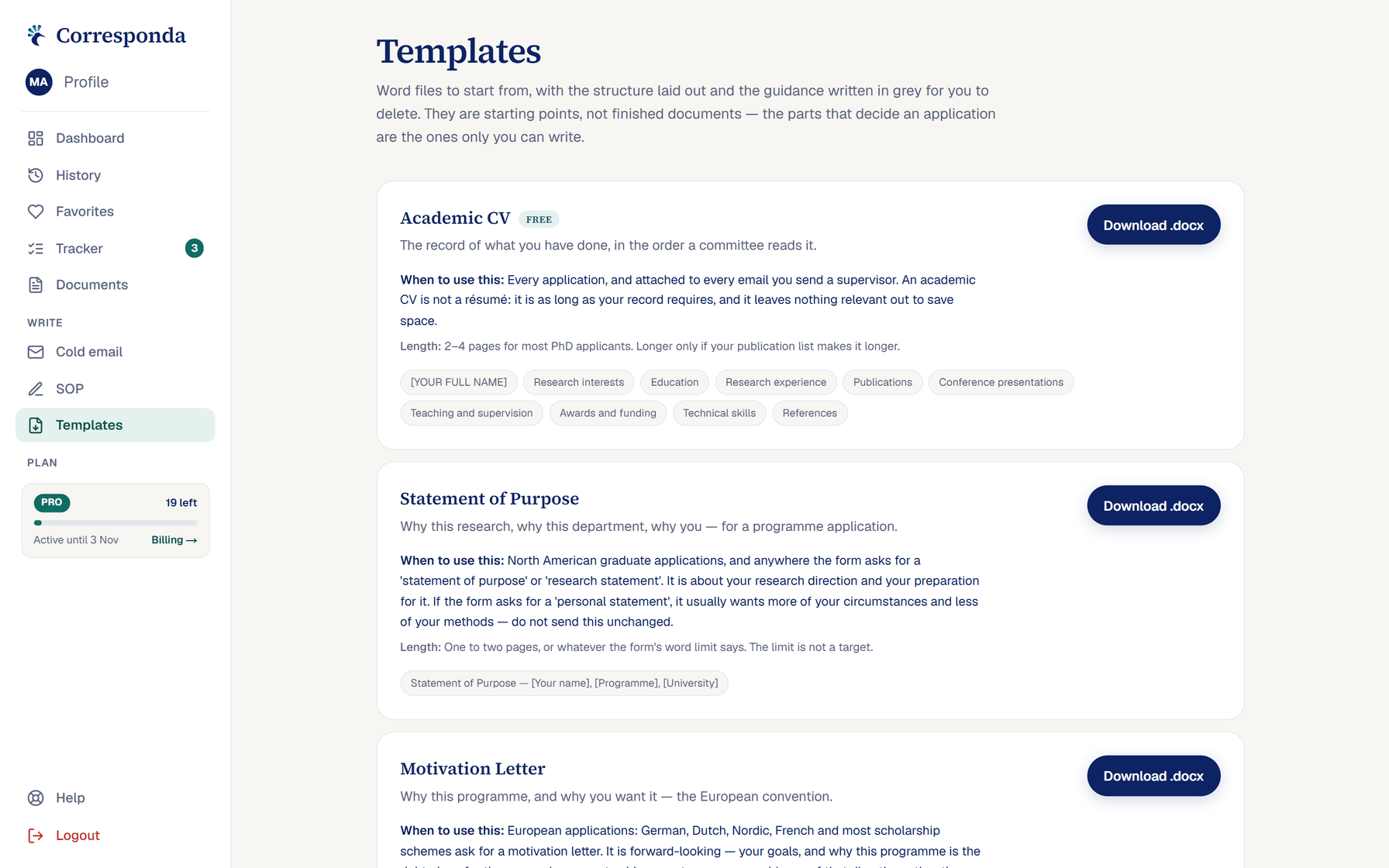
After the list: the email, the statement of purpose, and one board for everyone you wrote to. These are real screens from the app.
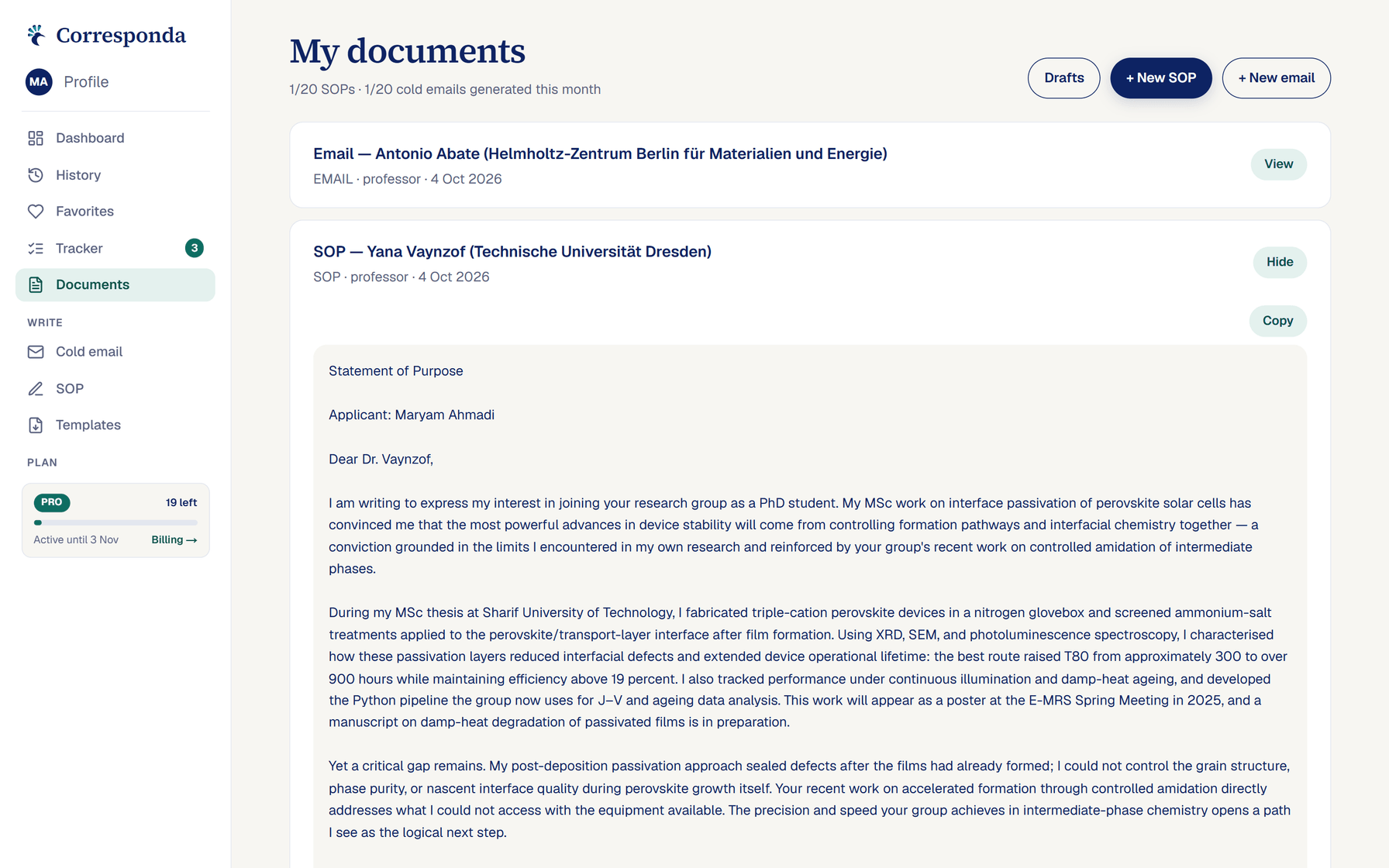
A statement of purpose written from your CV, for one specific professor — not a form letter.
Prices in Toman, paid by card-to-card. No automatic renewal.
Try it. No payment details.
1,200,000 Toman
For an active application season.
2,400,000 Toman
For wide, organized searches.
Your first search is free. See the list, open the papers, and judge it for yourself.